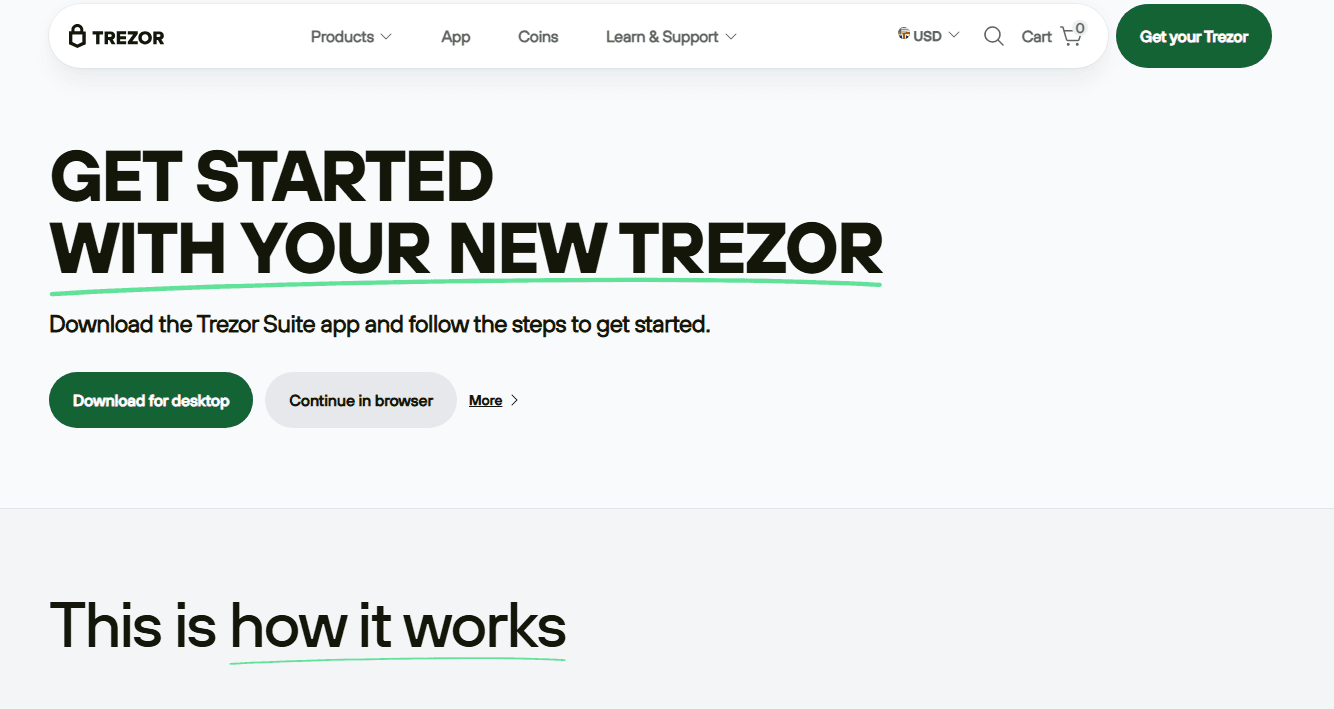
Trezor.io/Start: The Complete Guide to Getting Started with Your Trezor Wallet
Cryptocurrency security is more important than ever, and a hardware wallet like Trezor ensures your digital assets are safe from hacks and online theft. If you’re new to Trezor, this guide will walk you through everything you need to know—from setup to advanced security features.
1. What is Trezor?
Trezor is a hardware wallet designed to store cryptocurrency offline, protecting your assets from malware, phishing, and other online threats. Developed by SatoshiLabs in 2013, it was the first hardware wallet available on the market.
Key Highlights:
Supports hundreds of cryptocurrencies including Bitcoin, Ethereum, and more.
Offers secure offline storage of private keys.
Trusted by crypto enthusiasts worldwide.
Using Trezor ensures that your crypto remains in your control, even if your computer is compromised.
2. Choosing the Right Trezor Device
Trezor currently offers two main models: Trezor One and Trezor Model T. Choosing the right device depends on your needs and budget.
Trezor One:
Affordable and reliable.
Supports most major cryptocurrencies.
Simple button interface.
Trezor Model T:
Advanced touchscreen display.
Supports more cryptocurrencies and password management.
Ideal for users seeking enhanced security and functionality.
Consider what features are essential for your crypto management before making a choice.
3. Unboxing and Initial Setup
Once you have your Trezor device, it’s time to set it up.
Step 1: Unbox your Trezor and ensure the security seal is intact.
Step 2: Go to Trezor.io/start on your computer or mobile device.
Step 3: Download and install Trezor Suite, the official app for managing your wallet.
Step 4: Connect your Trezor device via USB.
Following these steps ensures you’re starting with a secure and verified device.
4. Creating a New Wallet
Creating a wallet on your Trezor device is straightforward but requires careful attention.
Step 1: Choose “Create new wallet” on Trezor Suite.
Step 2: Your device will generate a 24-word recovery seed. Write these words down carefully.
Step 3: Set a secure PIN code for your device.
Security Tip: Never share your recovery seed or PIN with anyone. Store the seed offline in a safe location. Losing it means losing access to your crypto permanently.
5. Restoring an Existing Wallet
If you’ve used another Trezor or compatible wallet, you can restore your funds easily.
Step 1: Select “Recover wallet” on Trezor Suite.
Step 2: Enter your 24-word recovery phrase from your previous wallet.
Step 3: Set a new PIN to protect your restored wallet.
Restoring allows you to continue managing your crypto safely, even if your previous device is lost or damaged.
6. Using Trezor Suite
Trezor Suite is the official desktop and mobile app for managing your wallet. It allows you to:
Send and receive cryptocurrencies safely.
Check balances and transaction history.
Manage multiple assets from a single interface.
The suite is designed to be user-friendly, providing clear instructions and warnings to prevent mistakes. Always ensure you download Trezor Suite from Trezor.io/start to avoid phishing scams.
7. Sending and Receiving Cryptocurrency
Sending and receiving crypto with Trezor is secure when following best practices.
To Receive Funds:
Copy your wallet address from Trezor Suite.
Share it only with the sender.
Verify the address on your Trezor device.
To Send Funds:
Enter the recipient’s address in Trezor Suite.
Confirm the transaction on your device.
Check the recommended network fee before sending.
Tip: Always double-check addresses and transaction details. Hardware verification prevents fraud and mistakes.
8. Advanced Security Features
Trezor offers additional security options for advanced users:
Passphrase Protection: Adds a word to your recovery seed for extra security.
Two-Factor Authentication (2FA): Can integrate with supported services.
Multi-Signature Wallets: Require multiple devices to authorize transactions, ideal for organizations.
These features enhance the security of your crypto, making it much harder for attackers to access your funds.
9. Updating and Maintaining Your Device
Regular maintenance is crucial for wallet security.
Firmware Updates:
Only update firmware via Trezor Suite.
Updates improve security and functionality.
Backup Management:
Keep your recovery phrase in a safe, offline location.
Consider storing copies in separate secure locations.
Security Practices:
Avoid entering your recovery phrase on a computer or phone.
Be cautious of phishing emails and fake websites.
10. Troubleshooting Common Issues
Even with careful setup, issues may arise.
Common Problems:
Device not recognized by Trezor Suite → try reconnecting or restarting.
Forgotten PIN → wallet can still be recovered with your seed phrase.
Issues with transactions → check network fees or network congestion.
For persistent problems, contact Trezor Support via the official website to avoid scams.
11. Tips for Safe Crypto Management
Keeping crypto safe is an ongoing responsibility.
Regularly monitor your holdings in Trezor Suite.
Never share your recovery phrase or PIN.
Educate yourself about phishing attacks and scams.
Use all available security features.
Following these tips ensures your funds remain secure and accessible only to you.
12. Conclusion
Trezor provides a secure, user-friendly way to store and manage cryptocurrency. By carefully setting up your wallet, safeguarding your recovery seed, and using Trezor Suite responsibly, you can protect your digital assets from hacks and fraud.
Whether you are a beginner or an advanced user, Trezor’s combination of hardware security and intuitive software makes it an essential tool for anyone serious about cryptocurrency security.